6 min read
Restraint as Craft: Why Subtraction is the Craft
The hardest thing for a perfumer is not figuring out what to add, but what to subtract. The less fragrance, the more honest. The more fragrance, the more like a lie.
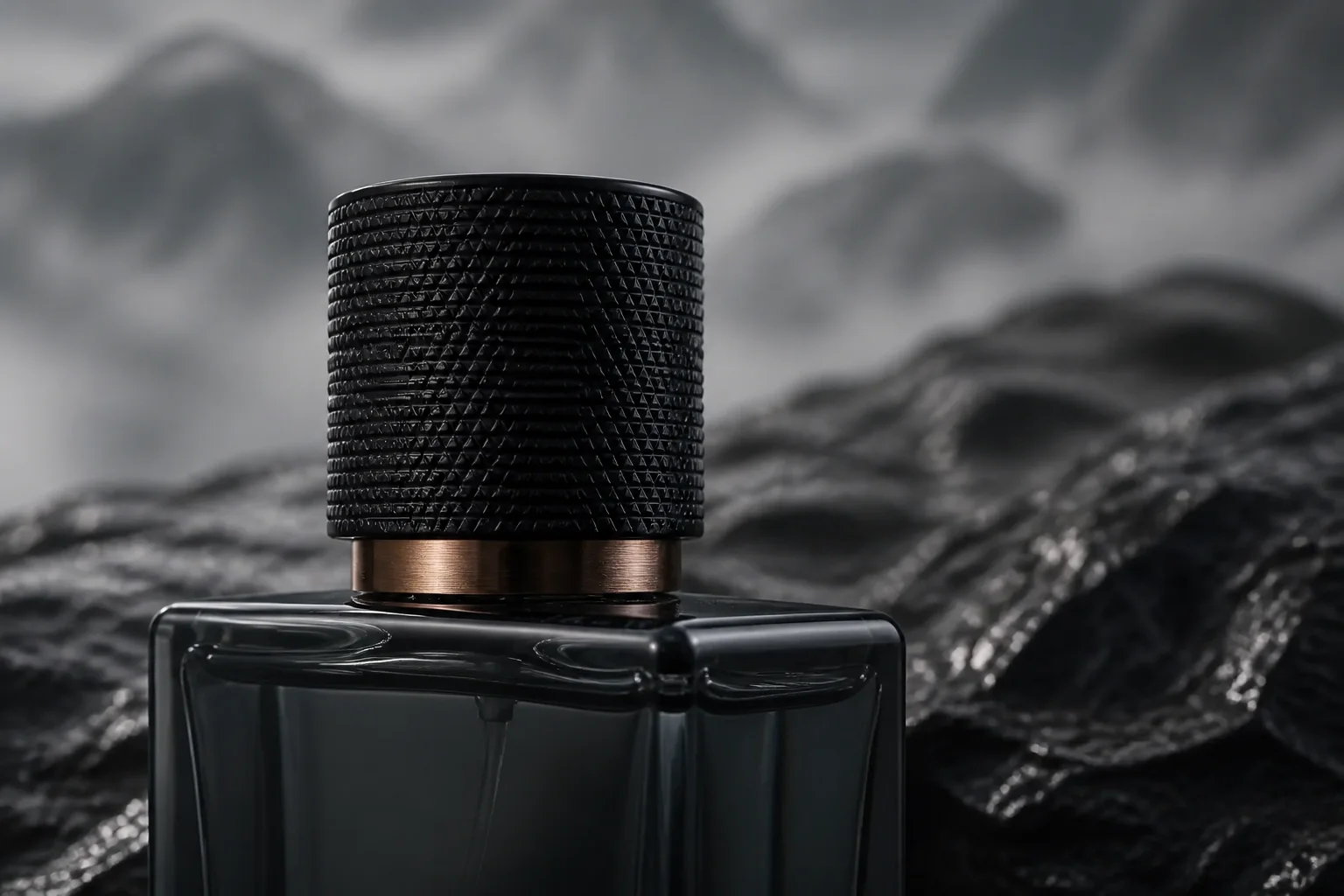
The hardest thing for a perfumer is not figuring out what to add, but what to subtract.
A new perfumer receiving a brief usually reacts by: adding. Adding makes the fragrance “richer,” “more layered,” “worthwhile.” A new perfumer will add many things to a formula, because adding things makes one feel like working, like progressing, like approaching the goal.
An experienced perfumer asks the opposite question: which one should be removed?
Which one to remove — this is asking: which thing is superfluous? Which thing is self-expanding, covering up others? Which thing is not needed by this fragrance originally, but was put in by me?
This is a harder question. Because it requires the perfumer to admit: some things I put in, but are not necessary.
Subtraction is craft, because fragrance has weight.
Each aromatic molecule occupies a certain proportion of “olfactory space” in the air. When this space is filled, olfaction begins to distort — a person smelling one thing cannot smell a second thing. A fragrance’s olfactory space is limited; its capacity is not infinite.
When capacity is filled, anything you add is not adding layers — it is creating noise.
Perfumers have a word called “balance.” Balance is not putting all components at the same volume. Balance is: some components are louder, some are lighter, but when they come together, it is a complete sentence, not several words shouting at the same time.
There is a simple test for whether subtraction was done well: ask, when you smell this fragrance, what do you think of first?
If the first thing you think of is one word — damp, amber, green, metal — then this fragrance has done subtraction well. If the first thing you think of is “nice fragrance” or “very rich,” then subtraction may not have been done well enough. “Rich” and “nice” are vague words; they describe noise, not information.
Every OPALITESCENT fragrance undergoes the subtraction test.
The subtraction test is not deleting ingredients, but deleting and then smelling again: if after deletion, this fragrance becomes different, then it should be retained. If after deletion, this fragrance still sounds the same — then what was deleted was noise and should be deleted.
Huangshan was subtracted seventeen times. Jiali was subtracted nine times. Yading was subtracted thirteen times. Each time something different was deleted: a synthetic molecule, a natural extract, a solvent. Each time after deletion, what remained became a bit more honest.
Becoming more honest is the endpoint of subtraction.
