5 min read
Chongqing's Fog Does Not Lift
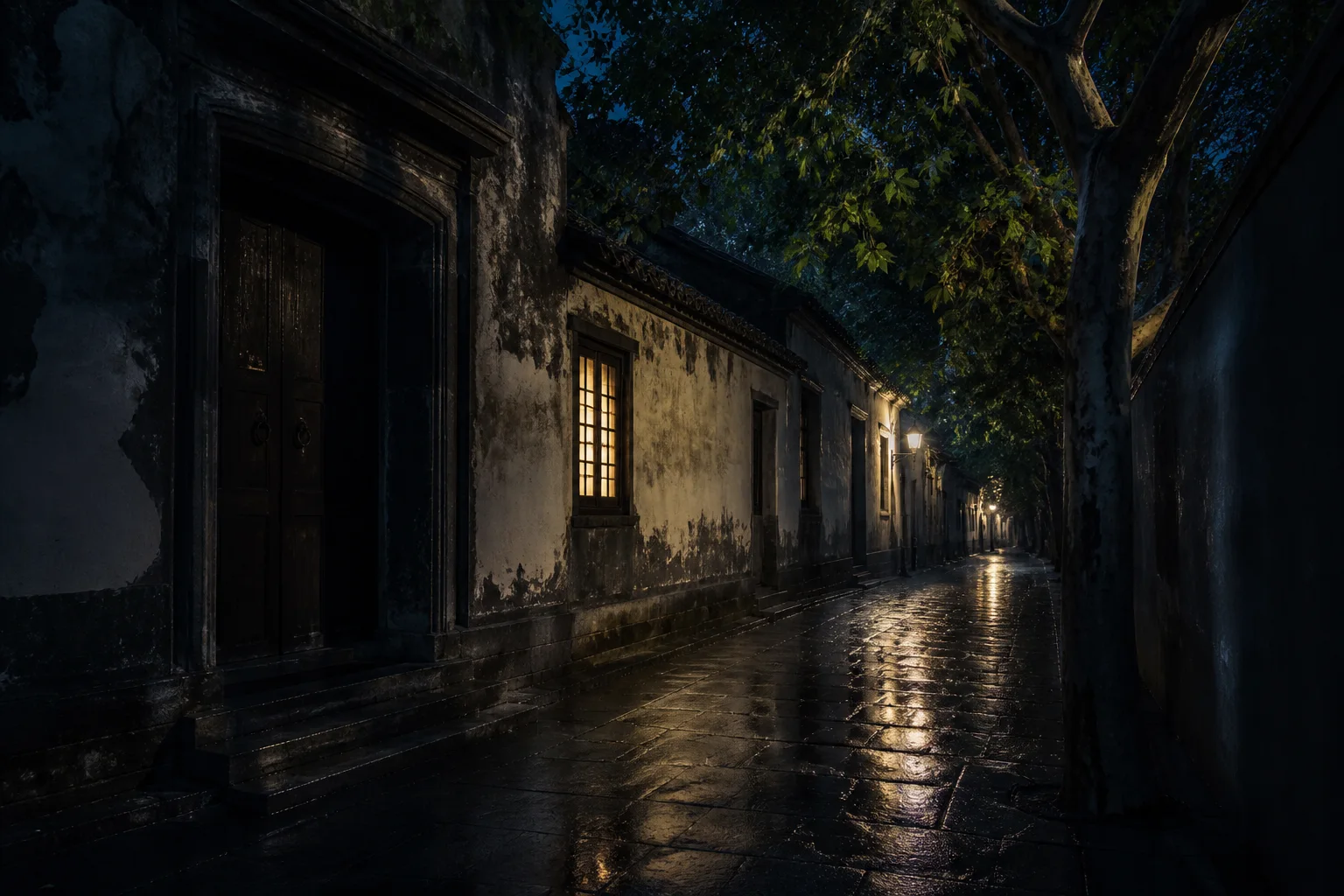
Chongqing has fog. Not London's kind of mist, but thick, vertical fog standing like a wall. Moisture from the Jialing River rises between the two mountains and then does not leave.

Chongqing has fog.
Not London’s thin mist, but thick, vertical fog standing like a wall. London’s fog moves horizontally; Chongqing’s fog exists vertically—rising from the Jialing River surface, then trapped between the mountains on both sides, stopping at mid-mountain, neither going up nor down, staying there.
This is Chongqing’s strangest feature: its fog does not lift. At three in the afternoon the fog is still there, at ten at night the fog is still there, the next morning the fog is still there. It is not a process, it is a state.
The fog in the mountain city is a physical phenomenon. Two rivers meet, moisture is ample, the mountain’s uplift effect on moisture creates a stable layer at a certain altitude. This stable layer is about two hundred meters thick, persisting for an entire winter week continuously.
The perfumer spent all of December in Chongqing. He says December is Chongqing’s most honest month. The fog covers all decorative things—neon lights, glass curtain walls, the city skyline. What remains is the skeleton of architecture: the fir columns of stilted buildings, the stone slabs on sloping roads, the signs of small noodle shops clinging to cliff walls.
Xiaomian is Chongqing’s. Chili oil, Sichuan peppercorns, pickled vegetables, dried radish, a spoonful of soy sauce. Seven in the morning, one bowl. The bowl is coarse, the kind that does not burn hands. The noodle pot at the small shop is at the door, steam rising, mixing with the numbing taste of Sichuan pepper, the spiciness of chili, the particular taste of alkaline noodles—that is the smell of sodium carbonate, what makes the noodles tender.
Sodium carbonate. HNaCO3.
Chongqing, the fragrance. Top note is Sichuan peppercorn. Not ordinary peppercorn, but Hanyuan Gong Jiao, the type with the highest ester content among peppercorns. Its numbing is not lip numbing, it is nasal numbing—when you take a deep breath, you discover that breath contains peppercorn.
Heart note is limestone. Chongqing’s cliffs are full of limestone, washed by the river for a thousand years. Limestone’s scent is alkaline, the opposite of “clean”—the mineral taste with slight astringency that develops when stone has soaked in water for a long time.
Base note is the residue of river water. Not water itself, but the thin layer of minerals left on stone after water dries.
The fog disperses and reconverges, reconverges and disperses. Fog is not Chongqing’s accident. Fog is Chongqing’s structure.
Associated Notes: [Spicy] [Mineral]