5 min read
Beijing's Afternoon Holds No Sound
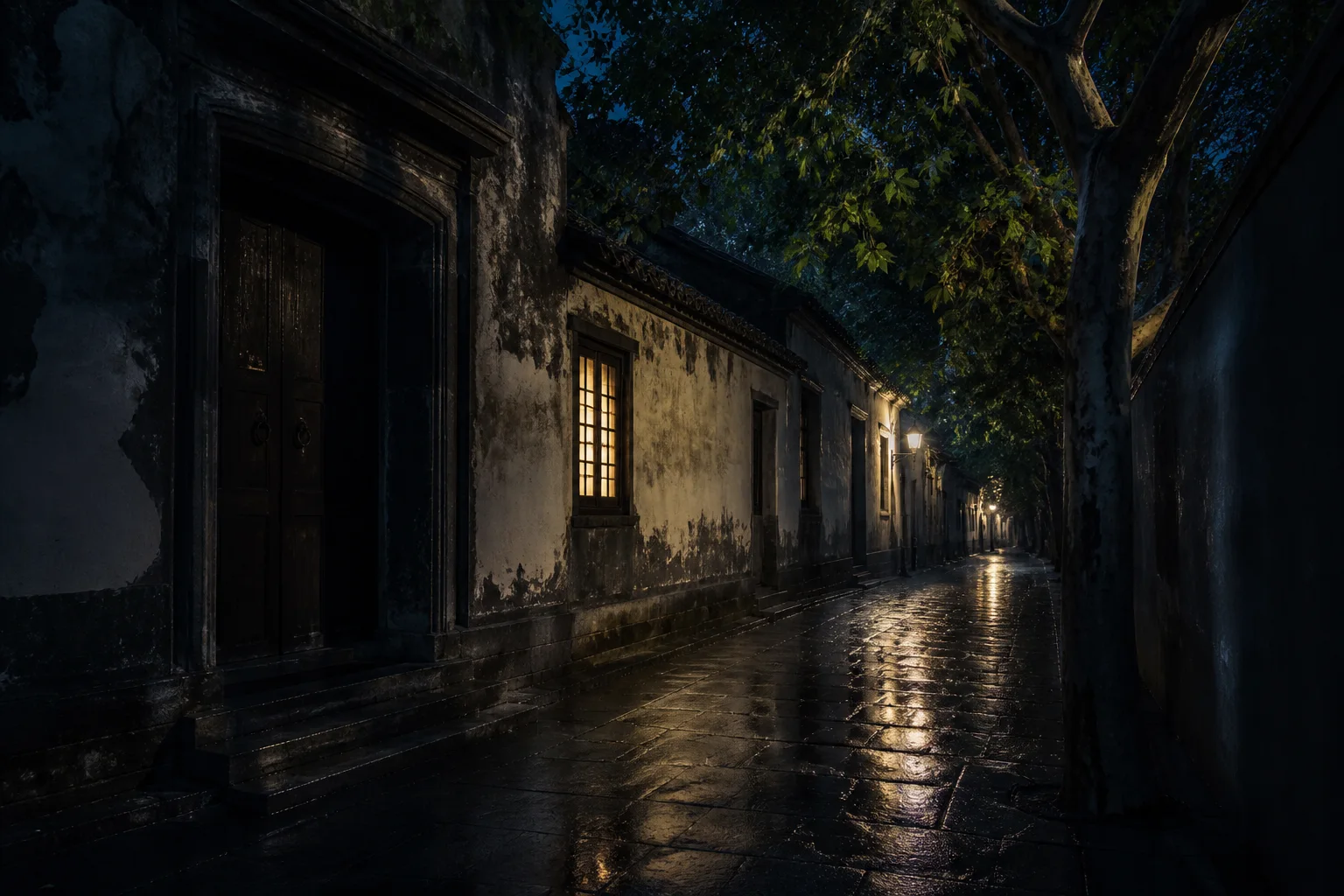
Beijing at three in the afternoon is quiet. Not that there are no people, but a quiet with people. The elderly in the courtyard houses are napping. There is wind in the hutongs. The wind does not pass through houses, it passes through courtyards.

Beijing at three in the afternoon is quiet.
Not that there are no people. There are people in the courtyard houses—some napping, some drinking tea, some doing nothing. The courtyard walls are high, blocking outside sounds. Outside is Beijing, inside is the courtyard. These two spaces coexist, but sound does not pass between them.
The wind in the hutongs blows in crooked turns. Wind enters from the alley mouth, through the courtyard gate, past the screen wall, then finally into the rooms. When wind passes the screen wall, it carries away a bit of the wood’s scent. The screen wall is made of new wood or old wood—new has rosin, old has only time and dampness.
Old Beijing courtyard houses used old wood. Old wood has a scent—the result of lacquer and the wood beneath it breathing together for decades. The perfumer calls it “the scent of time.” But he does not call it time, he calls it “structural sweetness.”
Structural sweetness is not sweet. It is the opposite of sweet—the thing that remains in the mouth after the sweetness has ended. It is what sandalwood smells like at extremely low concentrations.
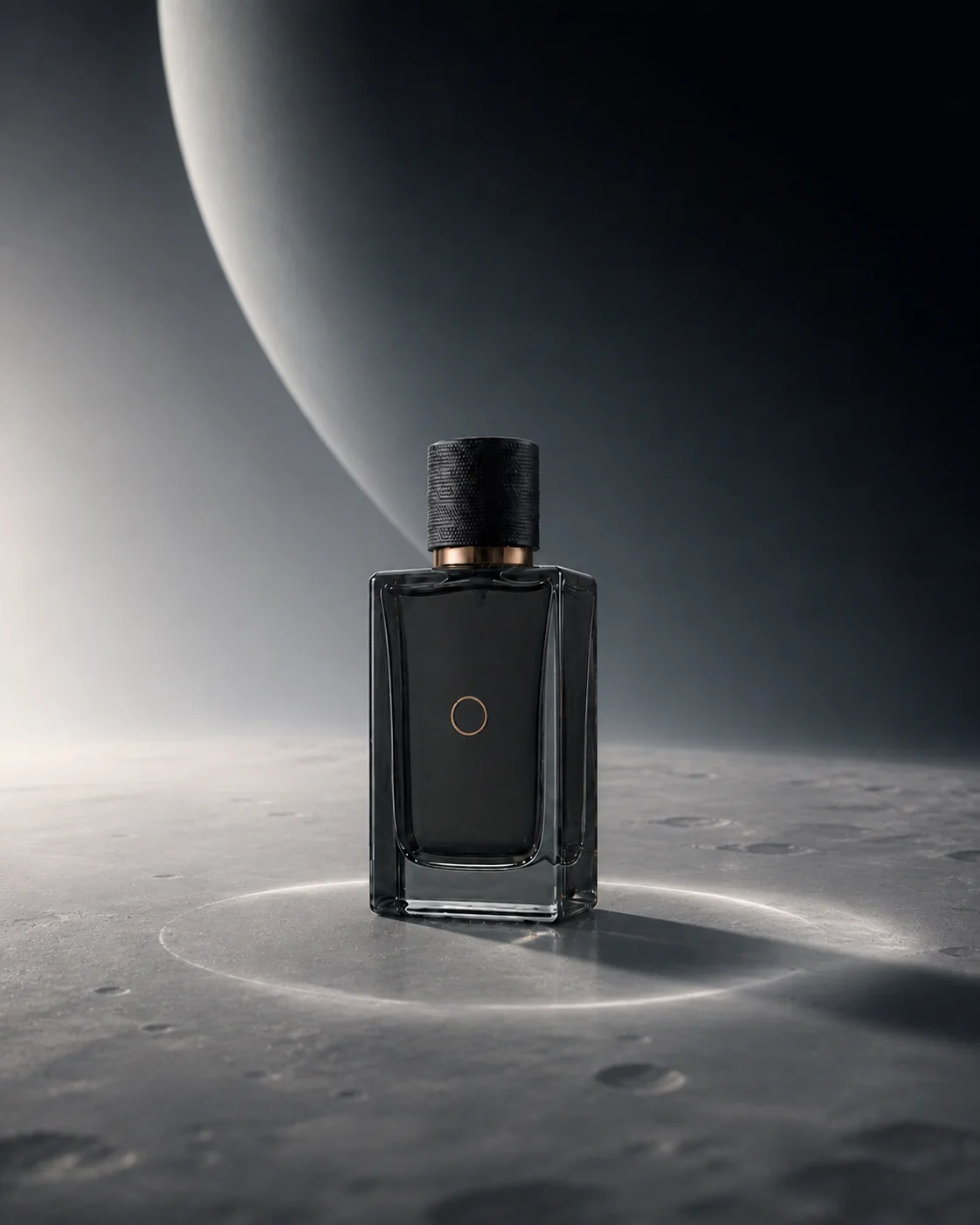
Beijing, the fragrance, uses sandalwood and musk. Sandalwood is old wood, musk is old paper.
The scent of old paper is the hardest to describe in this essay. New paper has a paper smell, a chemical smell. Old paper has only the skeleton of paper—the weight of the fibers themselves, and what has seeped into the paper: ink, damp, dust, the weight of time.
The perfumer collected a ream of Qianlong-era rice paper at Liulichang. Not to use, to smell. Smelled it for three months. Then he analyzed that ream of paper’s scent using gas chromatography, extracting the twelve most prominent molecules.
None of these twelve molecules can be easily obtained artificially. Three are pine soot from ink—particles of smoke from burning pine trees, black but making the paper smell lighter rather than heavier. Two others are geosmin brought by dampness itself—that “after rain” scent.
These are what Beijing’s three o’clock afternoon air contains.
The elderly in the courtyard turned over. The wind turned another corner. Someone is talking at the hutong entrance, but the sound does not reach the courtyard.
Associated Notes: [Woody] [Spicy]