8 min read
Olfactory Awakening in the City: Why We Need to Smell More Slowly
Smell is the most neglected sense in urban life. We see with our eyes, hear with our ears, but the nose in the city is only used for breathing, not for perceiving. Breathing is automatic, but perceiving requires training.
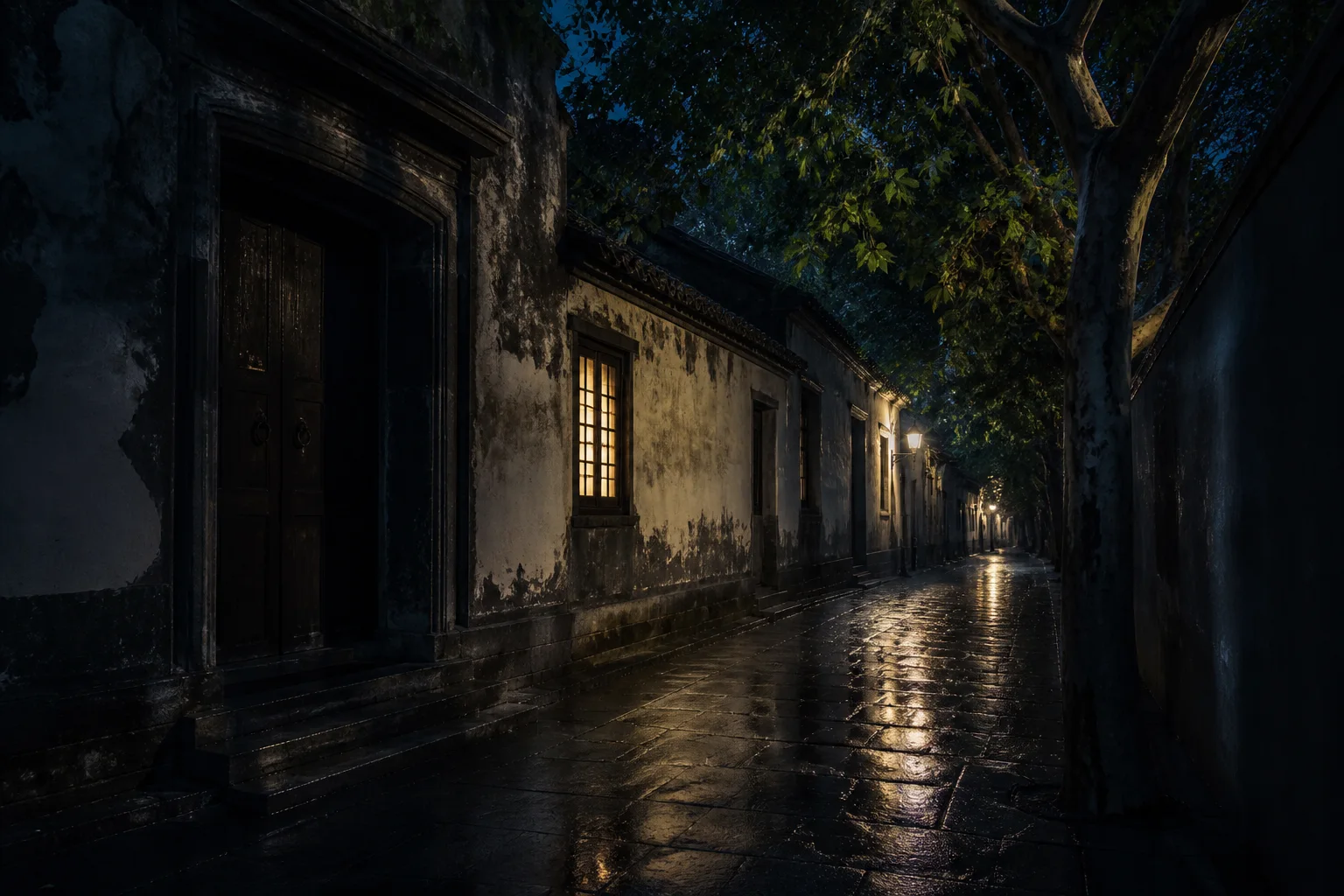
Smell is the most neglected sense in urban life.
We see with our eyes, hear with our ears, touch with our hands, taste with our mouths — but the nose in the city is only used for breathing. Breathing is automatic, unconscious, requires no effort. But perceiving requires effort. Urban life has made us lose the initiative to smell.
This is an article about practice. Not about perfume recommendations, not about which scent smells better — it is about how people in cities can relearn to smell.
The city has smells. The city’s smells are not only exhaust and cooking oil. The city has layers of smell: morning streets differ from afternoon streets, post-rain streets differ from dry streets, Sunday streets differ from weekday streets. Sunday cities have a specific quietness — not no sound, but a different kind of sound, one that makes the smells in the air clearer.
This can be practiced: on a Sunday morning in an unfamiliar city, stop, breathe deeply, then ask yourself: what do I smell now?
This practice has three levels.
First level: identify obvious smells. Coffee, breakfast cooking oil, a certain shop’s spices, distant river water or park trees. These are the things captured by the nose first.
Second level: identify non-obvious smells. Beneath the obvious smells, what is there? The dampness in underpasses, the moss in the gaps between sidewalk bricks, the metal smell at a certain corner, the wood smell in a certain porch. These things have always been there, but you need to stop to smell them.
Third level: identify traces of time. The city’s air smells different in the morning and evening — not just temperature changes, but the smell itself changes. The morning city is awake, has a clean-smelling quality; the evening city is tired, covered by a day’s worth of activity. Both smells are real, but only by slowing down can you smell the difference between them.
The key word for this practice is “slow.”
Fast-paced urban life has made smell into background. Olfaction is extremely adaptable — when an odor persists, the nose gradually ignores it, this is the olfactory adaptation mechanism. City smells persist, so the nose has learned to ignore them. But ignoring is not the same as non-existence.
Practice with five minutes every day. Five minutes without scrolling your phone, without listening to podcasts, just walking, but placing your attention on the air. After a month, you will find the city’s olfactory map becoming clearer in your perception. You begin to know what your city smells like — not just good or bad, but its structure and layers.
This practice has the same logic as meditation. Meditation practices “noticing what you are thinking,” not “thinking the right things.” Olfactory practice is “noticing what you are smelling,” not “smelling good things.”
When we begin to truly smell the city, we also begin to face the city more honestly. The good and the bad, the clean and the dirty, the real and the fake — in the dimension of smell, they all have scent. Pretending certain smells do not exist is the most common self-deception in urban life.
This is also the starting point of OPALITESCENT’s city series: not telling you what good smells you should smell in the city, but telling you the city itself has smell, each city has its own olfactory structure, each structure has its own beauty.
Shanghai is the beauty of aldehydes. Beijing is the beauty of sandalwood. Chongqing is the beauty of Sichuan pepper and river water mixture. Hangzhou is the beauty of Longjing tea and wetland mixture.
The city is not something to be covered up. The city is something to be smelled.
Associated Notes: [Aquatic, Floral, Ozone]


